Using AI to Solve Non-Communicable Diseases in Ghana: The Frimps StrokeIQ Prototype
A personal reflection and policy call-to-action on tackling Ghana's growing non-communicable disease (NCD) burden. Highlighting the stark statistics around undetected hypertension and stroke risks in Ghana, the article introduces Frimps StrokeIQ—an AI-driven screening and decision-support prototype designed to enable early risk detection, empower health workers, and shift Ghanaian healthcare from a reactive model to a predictive, preventive approach.
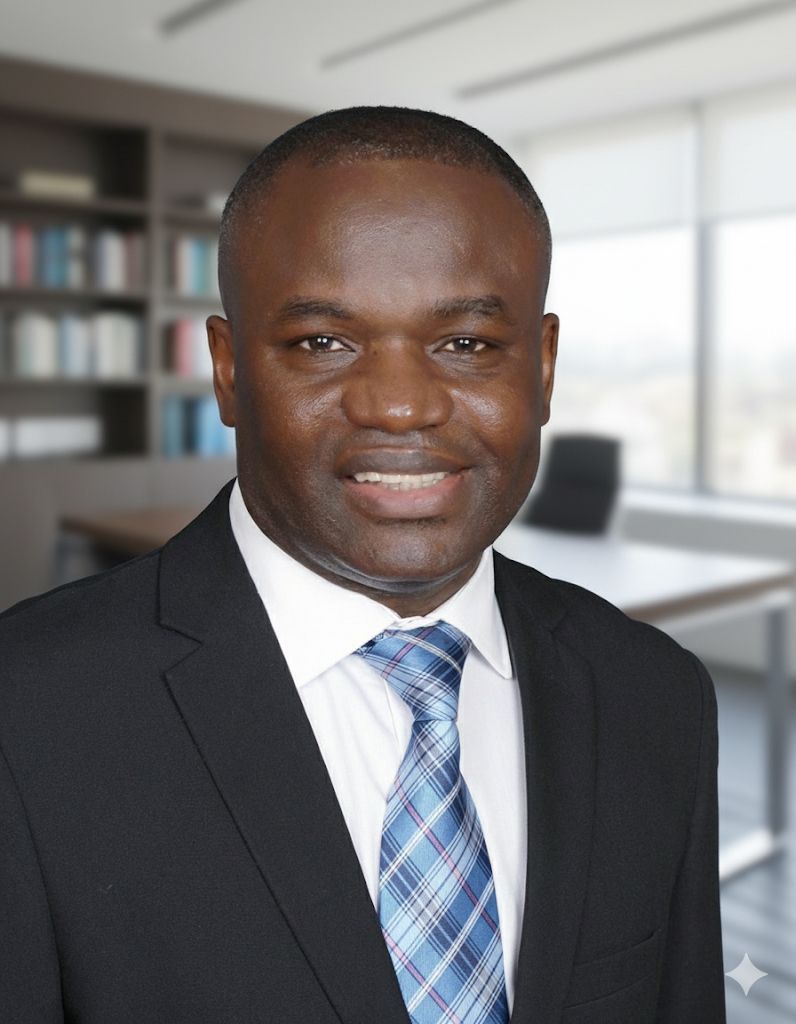
Dr. Eugene Frimpong
In 2021, I lost my senior brother, Dan, to a stroke.
For my family, stroke is not an abstract statistic. It is an empty chair, a voice we no longer hear and a painful reminder that non-communicable diseases can change a family forever.
His death left me with a question: What if we could identify more people at elevated risk before a stroke occurs?
That question helped inspire Frimps StrokeIQ, an artificial-intelligence prototype designed to support earlier stroke-risk screening, health education and better-informed clinical decisions in Ghana.
Ghana’s growing NCD challenge
Ghana is confronting a growing burden from hypertension, stroke, diabetes, kidney disease, cancer and other non-communicable diseases (NCDs).
The World Health Organization’s Ghana: Health at a Glance reports that NCDs accounted for 47% of Ghana’s deaths in 2021. Ghana’s first nationwide STEPS survey also found that 21.7% of adults aged 18–69 were living with hypertension. Among participants with elevated blood pressure, 51.1% had not previously been diagnosed.
The screening gap is equally concerning: 24.3% of adults had never checked their blood pressure, 70.3% had never checked their blood sugar and 90% had never checked their cholesterol.
Many Ghanaians may therefore carry serious risk factors without knowing it. By the time symptoms appear, the opportunity for simple and less costly prevention may already be disappearing.
Ghana must move from a largely reactive healthcare model—responding after illness becomes severe—to a more predictive and preventive model that identifies risk earlier and helps people act.
Turning health data into intelligence
Ghana generates health data through hospitals, clinics, laboratories, pharmacies, insurance claims and public-health surveys. The challenge is turning those disconnected data points into timely and useful intelligence.
AI can analyze multiple risk factors simultaneously and identify patterns that may be missed when each variable is viewed separately. Used responsibly, it can help health professionals identify people who need further assessment, prioritize limited resources and provide more personalized prevention guidance.
AI should not replace doctors. It should help doctors, nurses, community health workers and patients make better decisions sooner.
What is Frimps StrokeIQ?
Frimps StrokeIQ is a mobile-first stroke-risk screening and decision-support prototype. It is intended to estimate an individual’s risk level and explain the factors contributing to that estimate.
The proposed model combines:
● Demographic factors such as age, sex, region and urban or rural residence;
● Clinical measures including blood pressure, glucose, cholesterol and body mass index;
● Medical history, including hypertension, diabetes, heart disease and medication use;
● Lifestyle factors such as smoking, alcohol use and physical activity; and
● Socioeconomic context, where appropriate and ethically justified.
StrokeIQ could classify a user’s risk as low, moderate or high, show the main factors driving the result and recommend a next step. That may include maintaining healthy habits, checking blood pressure or glucose, scheduling a clinical review or seeking urgent care when warning signs are present.
The prototype is not designed to diagnose stroke or replace emergency care. Anyone experiencing sudden facial drooping, arm weakness, speech difficulty, loss of balance or a severe unexplained headache should seek emergency medical help immediately. Every minute matters.
Built for Ghana—and built responsibly
Many health algorithms are developed with data from populations outside Africa. Applying them in Ghana without local validation can reduce accuracy and unintentionally disadvantage certain communities.
StrokeIQ is being conceived around Ghana’s context: representative Ghanaian clinical data, regional and socioeconomic differences, mobile devices, low-bandwidth environments and plain-language results that patients and community health workers can understand.
Trust will be as important as technical performance. Users must know what data is collected, why it is needed and how it will be protected. The system must be explainable, secure and regularly tested for bias.
Moving from prototype to clinical impact will require five essential steps:
1. Build a representative dataset through ethical partnerships with hospitals, universities and public-health agencies.
2. Validate the model independently, measuring sensitivity, specificity and performance across age, sex, region and socioeconomic groups.
3. Co-design with clinicians and patients so the tool fits real healthcare workflows.
4. Protect privacy and security through informed consent, data minimization, encryption and strong access controls.
5. Conduct controlled pilots and establish the appropriate clinical and regulatory governance before wider deployment.
The true measure of success will not be how sophisticated the algorithm appears. It will be whether StrokeIQ helps more people discover risk early, reach qualified care, control their blood pressure and avoid preventable disability or death.
Beyond stroke: a Ghanaian health-intelligence platform
StrokeIQ could become a starting point for a broader health-intelligence ecosystem. The same framework—local data, early screening, explainable risk estimates and clear referral pathways—could support solutions for diabetes, kidney disease and other chronic conditions through the Frimps HealthIQ platform.
At the population level, responsibly aggregated insights could help policymakers identify high-risk communities, plan screening campaigns, allocate resources and evaluate prevention programs.
This is how AI moves from being a fashionable technology to becoming meaningful public-health infrastructure.
A call for collaboration
No technology company can solve Ghana’s NCD challenge alone. Progress will require collaboration among the Ministry of Health, Ghana Health Service, teaching hospitals, clinicians, universities, patient groups, the National Health Insurance Authority, technology partners, development organizations and responsible investors.
Frimps Intelligenz is seeking partners to strengthen the clinical design, secure representative data, independently validate StrokeIQ and pilot it in Ghanaian communities and health facilities.
AI alone will not solve Ghana’s non-communicable disease burden. But Ghanaian data, Ghanaian clinical expertise and responsible AI—working together—can help us detect risk earlier, intervene smarter and save lives.
Dan’s story cannot be rewritten. But it can help inspire a future in which fewer families lose a loved one to a preventable or poorly managed stroke.
That is the future we are working to build with Frimps StrokeIQ: from reactive healthcare to predictive healthcare, and from data to decisions that protect life.
Sources
● World Health Organization: Ghana—Health at a Glance
● Ghana Ministry of Health: National Policy on Non-Communicable Diseases, 2022
#ArtificialIntelligence #DigitalHealth #Ghana #StrokePrevention #NCDs #HealthInnovation #FrimpsStrokeIQ #FrimpsIntelligenz